



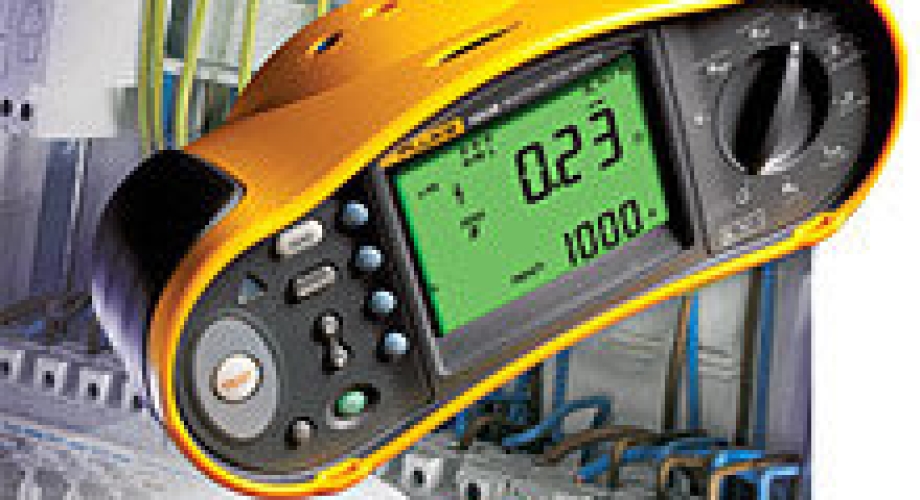

An EICR — Electrical Installation Condition Report — is essentially an MOT for your property's fixed wiring. It won't catch everything an appliance might do wrong, but it will tell you whether the wiring itself, the consumer unit, and the earthing and bonding are in a safe, compliant state.
Why it matters even if nothing's "wrong"
Electrical faults don't always announce themselves before they become dangerous. A missing or poor earth connection, for instance, can mean part of a circuit isn't properly protected by the RCD that's meant to prevent shocks — and you'd have no way of knowing without testing. An EICR picks up exactly this kind of thing, along with overloaded circuits, deteriorating cable, and outdated components that no longer meet current safety standards.
If you're a landlord, this isn't optional
Landlords in England are legally required to have a valid EICR for every rental property, renewed at least every five years (or at the start of a new tenancy, whichever is sooner), and to fix anything classified as unsatisfactory within 28 days. You're also responsible for making sure appliances you provide are safe and correctly marked, and that sockets, switches and fittings stay safe for the whole tenancy — not just at move-in.
What's changing from October 2026
BS 7671 Amendment 4 — sometimes called the "Orange Book" — becomes the only permitted wiring standard in the UK from 15 October 2026, replacing the current Amendment 3 provisions. Alongside this, the Electrotechnical Assessment Scheme (EAS) requirements are being tightened, with new competence categories introduced specifically for EV charging, solar PV, battery storage and micro wind installations. If you're a landlord or business owner due a periodic inspection around that date, it's worth booking it in either just before or after the changeover so there's no ambiguity about which standard your report was carried out against.
What the report looks like
Every circuit gets tested and given a condition code — C1 (danger present, needs immediate attention), C2 (potentially dangerous, needs fixing), C3 (improvement recommended, not urgent), or FI (further investigation needed). You get a written report with a clear pass/fail outcome and a plain-English explanation of anything flagged, not just a page of codes with no context.
If you're a landlord due a renewal, a homeowner who's never had one done, or a business needing periodic testing, get in touch and we'll book it in.